

Only eyeliner makeup means wearing eyeliner as the single product on your eyes, no shadow or mascara required. The catch is that every line has to work harder without backup, so a wobble shows and a too-thick stroke closes the eye. A tightlined upper waterline reads as fullness rather than makeup, and a coworker at lunch still will not name what changed.
Tightlining

Tightlining means running a pencil or gel liner along the upper waterline, that thin strip of skin between the lashes and the eye itself. The pigment settles at the roots of the lashes rather than above them, which is the difference that matters. Someone doing only eyeliner makeup can use this as a starting point because it reads as fullness rather than makeup; the eye looks more defined in a mirror check, but a coworker at lunch would not be able to name what changed.
The technique works best for a fresh, barely-there finish because it removes the visible line entirely. Regular lash-line application leaves a band of pigment that the eye tracks even when it is thin. Tightlining skips that band. The tradeoff is comfort. The waterline is wet and mobile, so the liner breaks down faster there than on dry skin, and the application itself takes practice to do without blinking the pencil away. I find it worth the learning curve on days when I want to look like I tried without having tried much.
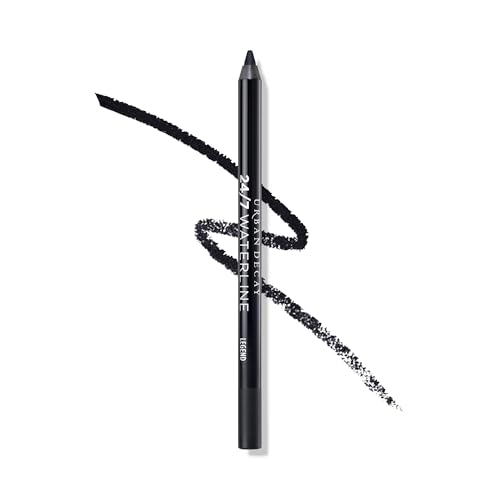
WATERLINE SAFE: Urban Decay 24/7 Glide-On Eyeliner Pencils are award-winning, waterproof eyeliners delivering intense, long-wearing color that will not budge. Available in versatile shades including white, brown, nude, gray, and black to deepen or brighten your eyes.

Waterproof and Richly Pigmented: Eyeliner specifically formulated for the waterline to provide gentle, yet intensely pigmented definition to the eyes.

Longwear Gel Eyeliner: This eyeliner delivers even strokes with 36HR hold, with a smudge-resistant, waterproof eye makeup formula. This eyeliner pencil glides on smoothly with no mess and no touch-ups
Soft Brown or Taupe Eyeliner

Black eyeliner has a way of closing in the eye, especially when it is the only product in play. A softer shade does the opposite. Brown or taupe keeps the lash line defined without drawing a hard border, so the eye looks open and rested rather than made-up.
Makeup artist Katie Jane Hughes has called grayish browns her preference for this exact reason: the finish reads like a natural shadow, not a line. That matters when you are down to one product. A soft brown or taupe liner gives the illusion of depth without the harshness that can make eyes appear smaller than they are. The lashes also stand out more when no black band breaks up their length against the lid.
For the no-makeup makeup days, or for Zoom calls where you want definition that does not announce itself, this is the swap that works. A cool-toned brown pencil smudged slightly at the outer corner, or a taupe cream applied with a small brush for a muted flick, reads as you but sharper. No shadow required, no mascara necessary if you do not want it. The look holds because the color stays close to what already exists in your skin tone.

GET THE ROYAL LOOK: Whether you choose classic black waterproof, warm brown, or striking white, the essence Lash Princess Liquid Liners let you achieve a flawless, royal look with ease. The ultra-fine brush applicator glides smoothly, delivering an elegant, precise line every time.

Fade resistant colour

These long-wearing eyeliner pencils have rich, hyper-pigmented color and a smooth, creamy application to create any look you want.
Natural Liner

A classic feline flick survives because it does real work with almost nothing. A small wing on the outer corner shapes the eye upward without shadow or mascara to do any heavy lifting, which makes precision the whole point: the line has to stand entirely on its own.
The tool matters here. A pen-style liner with a fine tip lets you draw the wing in a single stroke rather than building it in layers that thicken and wander. I reach for something like the Tattoo Studio Ink Pen when I want this look to hold from morning through evening without touch-ups.
Color sets the mood. Dark brown or black gives the most definition, the kind that reads as structure rather than makeup on a video call. Grayish browns or taupes soften the effect into something that looks almost like natural shadow, a muted flick that defines without announcing itself.
Tightlining the upper waterline first adds density at the root and creates a base for extending the wing later if the day shifts into evening. The key is keeping the wing small enough that it still reads as eyeliner alone, not as the start of a fuller look that never arrived.
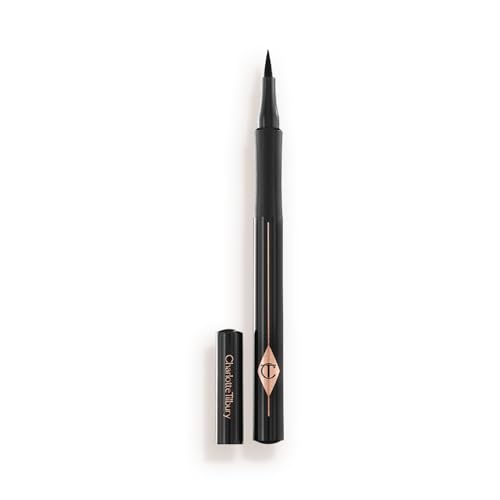
Ultra-Precise Tip for Seamless Control - Designed with an extra-soft, brush-like fiber tip, this liquid eyeliner pen glides effortlessly along the lash line to deliver high-definition precision. Whether you're tracing a barely-there line or building a dramatic cat-eye, the pen-style design ensures a steady hand and flawless flick every time.

The Perfect Wings Everytime – Eye liner wings have never been easier. Line up the stamp from the corner of your eye to the end of your eyebrow to create the same wing on each side. The curve in each stamp eyeliner provides a quick natural cat eye look

The Perfect Wings Everytime – Eye liner wings have never been easier. Line up the stamp from the corner of your eye to the end of your eyebrow to create the same wing on each side. The curve in each stamp eyeliner provides a quick natural cat eye look
Thick Winged Liner

A thick winged liner still reads as makeup, but it owns the room in a way a thin flick never does. The line sits heavier on the lid, the wing angles sharper, and the whole shape becomes the feature instead of the finishing touch. When liner is the only product on your face, that extra width keeps the look from disappearing by noon.
The catch is the lack of shadow to soften the edges. Without a transition tone to blend into, every bump in your application shows. I start thinner at the inner corner and build the weight toward the outer third, letting the thickness grow gradually so the line never looks like a sticker. Gel pencil helps here, something like Maybelline’s Tattoo Studio line, which carries enough pigment to read as bold without layering.
The all-around version, connecting top and bottom wings at the outer corner, doubles the presence even more. It frames the eye completely, which is dramatic but also unforgiving. Skip this if your eyes are small or close-set, since the wrapped shape pulls them inward. For everyone else, the connected wing turns a simple liner day into an actual look, no other products required.

18HR Wear & Waterproof - Designed for all-day wear, this smudge-proof gel eyeliner lasts up to 18 hours without fading or smudging, even in humid conditions.

12-HOUR WATERPROOF WEAR: Endless play from one go-to pencil sets in seconds and delivers 12-hour color-rich, fade-proof and sweat-proof wear.
Fishtail Liner

A fishtail liner pairs a subtle wing on top with bold liner below, and the contrast between the two weights is what keeps the look deliberate. The upper lash line stays light, maybe a flick that extends to the inner corner, while the lower lash line carries the heavier stroke. Without that imbalance, both lines compete and the shape goes muddy; with it, the eye reads the bottom line as the statement and the top as the frame.
Almond-shaped eyes carry this especially well, since the lower boldness can follow the natural curve without fighting the lid. The balance is the whole point: one element has to whisper so the other can speak. If both lines match in weight, the look tips into costume territory. If both stay thin, you lose the fishtail effect entirely. A bold black pen liner holds the lower stroke without fading, which matters when that line is doing most of the visual work.
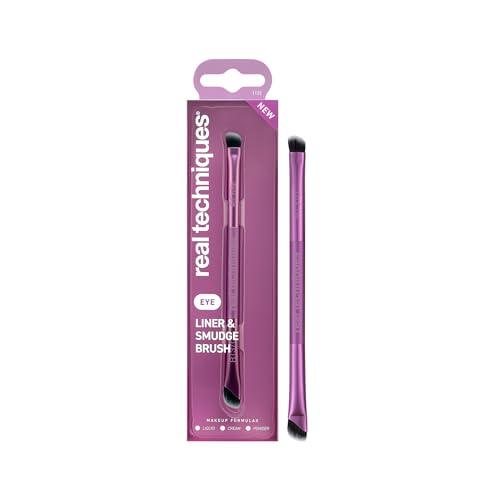
Eye makeup brush- Real Techniques Liner & Smudge Brush (RT 370) is a dual-ended precision brush that creates washes of color and crisp lines- best for eyeliner, eyeshadow and smoky eye looks

Package Includes:You will get 4 pieces of the mini smudge brush for eyeliner,they are includes 2 size of the eyeshadow brush,eyeline brush,lower eyelid brush,portable eye shadow brush kit to create a variety of eye makeup.
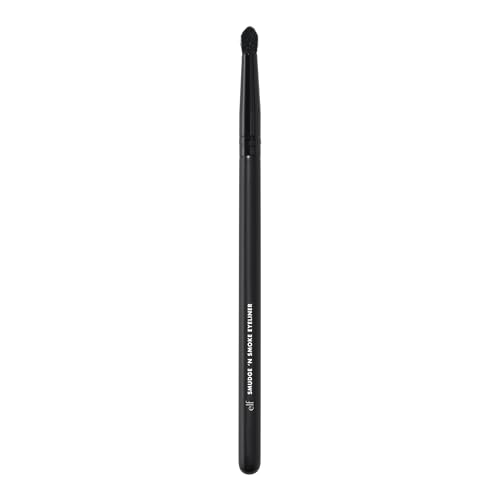
SMOKY EYELINER BRUSH: Eyeliner brush with densely packed bristles for creating smoky eyeliner looks.
Blue Liner

Black pencil on the waterline reads office circa 2012. Swapping it for blue turns the whole face forward, but the wrong blue turns it backward just as fast. Navy and midnight lean sophisticated; anything with shimmer or a robin’s-egg base tends to feel leftover from a middle-school makeup kit. What convinced me, reading through a dozen of these, was how completely one color can carry an eye look when the shape is clean. A single precise line across the upper lid, no shadow, no mascara, just skin and blue.
Cooler skin tones pull off the gray-based navies best. Warm undertones need a teal or sapphire with enough green in it to avoid looking like bruising. Brown eyes get the most obvious payoff, since blue sits opposite on the wheel and actually vibrates. Green and hazel read more subtle, almost moody, while true blue eyes risk matchy territory unless you step several shades darker or lighter than your iris. A matte navy tightline on just the upper waterline disappears into lash roots and still registers as something different when you blink. That is the move for anyone nervous about color.
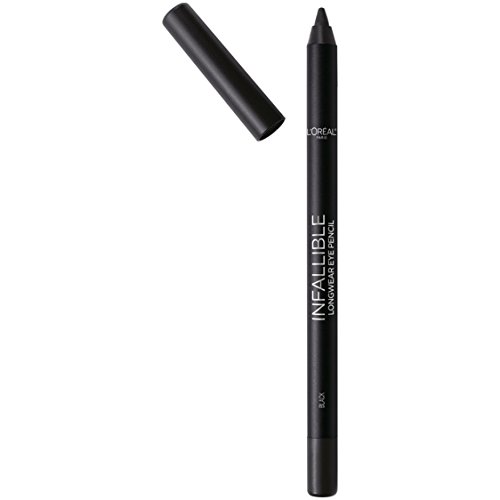
Infallible Waterproof Eyeliner: This long-lasting, smudge-proof eyeliner glides on easily for creamy color that lasts up to 24 hours without smudging

LASTING EYELINER: Rich color looks freshly applied all day long; transfer-proof, waterproof, smudge-proof and fade-proof

LASTING EYELINER: Rich color looks freshly applied all day long; transfer-proof, waterproof, smudge-proof and fade-proof
Smoky Liner

A smoky liner look is where the pigment does the heavy lifting, not a shadow palette. The Maybelline Tattoo Studio Gel Pencil was built for exactly this: draw thick lines along the top and bottom lash lines, then work them outward with a densely packed smudge brush while the product is still movable. The goal is controlled blur, not accidental raccoon eyes.
The difference between slept-in and sultry comes down to where the smudge stops. Keep the blur within a finger’s width of the lash line; let it wander higher and the shape loses intention. A cool-toned brown or taupe gives a softer, more shadow-like finish if black feels too severe for your features or the room you’re walking into. Dark brown or black pencils deliver the most definition when you want the look to read as night-out deliberate from across a table.
Tightlining first sets the stage if you plan to build toward a cat-eye later, but the smoky liner stands alone perfectly well as the only product on your eyes. The gel pencil format forgives imprecision in a way liquid liner never will, which matters when you’re working without shadow to blend out any hard edges.

✏️ 3mm soft pencil eyeliner with timeless perfection - Easy drawing that even beginners can do delicate and neat makeup with a soft feeling

Clear Eye Definition & Smudge Brush: Angled tip for sharp definition and soft overlining, then use the built-in smudge brush to blur and blend. Create any style in seconds, from precisely defined lines to softly smoked effects

Range Of Neutral Tones: This 10 shade neutral eyeshadow palette brings together light beige, sand, taupe, muted rose brown and deep brown colors for soft definition, everyday shading and smoky depth
Graphic Liner

Graphic liner demands that you stop treating eyeliner as a frame and start treating it as the entire picture. A cobalt blue wing drawn with a long-wear, waterproof, smudge-proof formula sits at the outer corner and keeps traveling, past where a normal flick would stop, into a shape that owns the lid. Emerald green works the same way, and the truth is it would not hit the same in black. Color is doing the work of shadow, mascara, and brow pencil all at once.
Placement is what separates a doodle from a look. The boldest payoff sits at the outer third, where the shape lifts the eye and catches light when you turn your head. Draw outside the lash lines, literally. Let the line miss the lashes entirely and float above the crease, or angle down toward the cheekbone in a deliberate geometry that no natural shadow could replicate.
The confidence part is not hype. These shapes announce themselves before you speak. A graphic arrow or an unapologetic block of color across the lid reads as a decision, not a default, and that is the point of only eyeliner makeup. You are choosing to be seen.

Ultra-Precise Tip for Seamless Control - Designed with an extra-soft, brush-like fiber tip, this liquid eyeliner pen glides effortlessly along the lash line to deliver high-definition precision. Whether you're tracing a barely-there line or building a dramatic cat-eye, the pen-style design ensures a steady hand and flawless flick every time.

The information below is per-pack only

HIGHLY PIGMENTED LIQUID LINERS: Elevate your eyeliner game with these intensely pigmented liquid eyeliners. Whether you're channeling elegance or boldness these liners are your ticket to runway ready eyes!
Floating Crease Liner

A floating crease liner starts its wing midway across the lash line instead of the inner corner, which leaves the inner eye completely bare. That negative space between your natural crease and the drawn line is what makes the look read editorial rather than like standard office makeup.
The gap opens up the eye shape visually, almost like an optical lift, because the viewer’s attention travels along the floating arc rather than tracing the full lid. On my own eyes, that empty zone tends to look intentional at brunch but slightly costume by 6 pm, so the occasion matters.
For application, a translucent powder across the lid keeps the ink from catching on oil and drifting. The Maybelline Tattoo Studio Ink Pen is the tool most tutorials reach for here, since the felt tip needs to lay down one clean stroke without dragging. Let the first line dry before building the wing; rushing it collapses the negative space that makes the whole thing work.

WATERLINE SAFE: Urban Decay 24/7 Glide-On Eyeliner Pencils are award-winning, waterproof eyeliners delivering intense, long-wearing color that will not budge. Available in versatile shades including white, brown, nude, gray, and black to deepen or brighten your eyes.

12-HOUR WATERPROOF WEAR: Endless play from one go-to pencil sets in seconds and delivers 12-hour color-rich, fade-proof and sweat-proof wear.

This creamy formula provides up to 16 hours of pigmented, long-wearing, waterproof wear that won’t tug, smudge, or transfer. Enwrapped in hyaluronic acid, it applies smoothly, provides ideal playtime to smudge, shape, or correct before it sets, and is available in seven pigmented shimmer and matte finishes.
Double Up Liner

The first time I tried a double wing, the upper line drifted downward and merged with my regular liner into one thick, messy stripe. Parallel lines need to stay parallel, or the look reads as a smudge you tried to fix rather than a deliberate layer. Maybelline’s version uses a small curved wing at the outer corner with a floating hollow wing above it and a dramatic inner corner line, all drawn with the fine point of a liquid pen for definition.
Layering wings at different angles or heights builds dimension, but the spacing between them matters more than the shape itself. Too close and they blur; too far and the eye looks segmented. A steady hand helps, yet the real control comes from anchoring your elbow and drawing each line in a single motion rather than sketching it in segments. The second passage suggests colorblocking for a subtler take, black on the bottom and blue on top, which forgives minor wobbles because the contrast does the visual work. Either way, this is not a rushed-morning technique. The payoff is drama without shadow or mascara, but only if the lines stay crisp enough to read as architecture, not accident.

PINPOINTED COLOR APPLICATION - This synthetic haired smudger brush creates detailed, pin-pointed color application with ease. The short, stiff bristles are ideal for blending in eye makeup or filling in brows.

Soft & Cream, Go on Easily: Glide on smoothly like silk-touching without clumping, skipping or smudging, good for sculpting, shading & defining, covering up a natural look to make you look younger

REUSABLE:This eyeliner brush is made of high-quality material, which is not easy to break and can be reused
Black and White Liner

Black ink draws the shape everyone recognizes, but white liner sitting above it in the crease is what makes the eye look larger without reading as costume. The two lines connect at the inner corner, so the look stays coherent rather than scattered. White reflects light; placed along the floating line, it brightens the lid and opens the space between lashline and brow. A gel pencil gives the smooth finish this needs, since a dragging application would break the graphic clean edge. Translucent powder on the lid first keeps oil from smudging the white line by noon. The restraint comes from keeping both lines thin and letting the contrast do the work instead of adding shadow or mascara. Two products, two minutes, and the face still looks like yours.
In and Out Liner

A line at both the inner and outer corners asks more of your symmetry than a single wing ever will. The inner corner, in particular, fights back: that skin sits at the tear duct where moisture pools, so any formula you choose needs to stay defined through blinking and watering. A gel pencil with a smooth finish, like Tattoo Studio, tends to hold up better there than liquid, which can travel with every eye movement.
The shape this creates, two small flicks framing the eye, elongates without lifting the lid the way a heavy outer wing can. It flatters eyes that already have visible inner corner structure; on rounder or more closely set shapes, the extra inward line can read as narrowing rather than framing. Balance is the whole point. The outer wing should not dominate, or the inner flick looks like an afterthought. Keep both lines equally fine and equally sharp, and check them with eyes relaxed, not stretched wide, since that changes how the geometry sits.
The floating hollow wing some variations add above the crease, drawn with a fine point liquid, is optional. Without it, the look stays wearable for daytime. With it, you have something closer to editorial territory, and the symmetry demands double the patience.
Graphic Arrow Liner

Graphic arrow liner builds a small architecture at the corner of each eye. The line starts thin at the inner corner, travels straight and level across the lid, then snaps into a sharp upward angle that points toward the tail of the brow. That angle is the arrow, and its job is to lift the eye shape visually rather than follow the natural downward curve of the outer corner.
Precision matters here more than in any other only eyeliner makeup style. A wobble at the wing throws the whole geometry off, because the eye reads the mistake as a failed angle rather than a soft edge. Liquid liner with a felt tip gives the cleanest edge, though a gel pot and angled brush work if your hand is steady enough to lay the line in a single motion without building it in layers.
This look makes sense when you have already worn basic liner as your only product and want to push the definition further. The arrow frame turns the eye into a deliberate shape, something closer to a graphic element than a makeup accent. It reads as styled rather than applied, which is the point. Skip it on days when you want the liner to disappear into your face; use it when the liner is meant to carry the whole look.
How Different Techniques Affect Eye Appearance

Brown or taupe liner drawn along the lash line reads as shadow rather than line, which is exactly why the eyes look more open at 9 a.m. than they do in jet black. I learned this the hard way after years of rimming my waterline in kohl and wondering why I looked half-asleep by lunch. The waterline itself is the culprit: any pigment there shrinks the visible iris and drops the lid visually. Shift that same shade to the lash line, tight against the roots, and the eye keeps its natural boundary intact.
Placement above the crease, what some call a floating line, does the opposite work of a waterline rim. It lifts where the socket seems to begin, so hooded or downturned shapes suddenly read as more alert. A cool-toned brown at the lash line plus a faint wing at the outer corner gives the soft, muted flick that works for video calls or coffee runs without registering as makeup at all. Black liquid at the same spot, especially when it connects to a lower line, anchors the eye downward and adds weight. The fishtail look, with its bold lower rim, is gorgeous on already-almond shapes but can close a rounder eye entirely.
Application Techniques That Keep It Subtle

The difference between eyeliner that reads as "only eyeliner makeup" and eyeliner that accidentally becomes a full eye look usually comes down to how you build it. Short strokes win over single continuous lines every time; they let you see the shape forming before you commit to more pigment than you meant. I learned this watching my own hand reach for another pass when the first looked too faint, then catching myself before the second pass turned a soft definition into something that needed shadow to balance it.
A small liner brush makes that control possible. The kind makeup artists reach for to create a faint wing, the soft and muted flick Soleimani describes, gives you room to pull back. For smudging, the right tool matters as much as the pressure; a dense, short-bristled brush works pigment into the lash line rather than pushing it across the lid where you did not intend it. Translucent powder on the lid beforehand keeps the line from skating, which is especially useful if you are tightlining and need the pigment to stay exactly at the root.
Building in layers also means knowing when to stop. Three thin passes of a cool-toned brown or taupe read as shadow; a fourth starts registering as liner with intention, which is a different thing entirely. The same principle holds whether you are working with pencil or liquid. Dark brown or black demand even more restraint, since maximum definition arrives faster than you expect. I stop when the mirror still shows a little uncertainty, because skin warmth and daylight will finish the job.
Products That Hold Up as the Only One

A pencil that stays put through humidity and a 10-hour day becomes the whole face when it is the only product you reach for. The formulas below run from drugstore steals to pencils that cost as much as a foundation, and the difference shows up in wear time and blendability more than in color payoff.
| Formula | Price | Best for |
|---|---|---|
| Wet n Wild MegaSlim Skinny Tip Eyeliner | Under $5 | Tight, thin lines and budgets |
| L’Oréal Infallible Pro-Last Waterproof Pencil Eyeliner | Under $12 | All-day wear that does not budget-shop |
| Fiona Stiles Ultra-Smooth Waterproof Eye-Defining Pencil | $9 | Waterproof creaminess at a drugstore price |
| MAC Eye Kohl | ~$21 | Smudging into a soft shadow |
| Lancôme Le Crayon Kohl | ~$27 | Sensitive eyes; easy glide |
| Clé de Peau Beauté Eye Liner Pencil | ~$55 | Dry lids that eat cheaper pencils |
| Surratt Beauty Auto-Graphique Eyeliner | ~$36 | Liquid precision in pen form |
| Tom Ford Emotionproof Eye Liner | ~$46 | Oily skin; gym-to-dinner situations |
| Pat McGrath Labs PermaGel Eyeliner Pencil | ~$29 | Bold pigment in one pass |
The $9 Fiona Stiles pencil convinced me this category deserves its own table. Most waterproof liners under $10 drag or skip; this one glides like a kohl twice the price and survives a shower. If your only makeup is eyeliner, that reliability matters more than a 12-pan eyeshadow palette ever could.
Frequently Asked Questions
What is tightlining?
Tightlining means running pencil or gel liner along the upper waterline, the thin strip of skin between the lashes and the eye itself. The pigment settles at the roots of the lashes rather than above them, so the eye looks more defined without reading as obvious makeup. The tradeoff is comfort; the waterline is wet and mobile, so liner breaks down faster there and the application takes practice.
How can I modernize my eye makeup with only eyeliner?
Swap black liner for a soft brown or taupe shade that sits just a tone darker than your natural skin. Brown or taupe keeps the lash line defined without drawing a hard border, so the eye looks open and rested rather than made-up and smaller. This single change reads as natural shadow rather than liner, which is exactly the modern, barely-there effect that works for video calls and everyday wear.
What are some trendy eyeliner styles I can do with just liner?
Fishtail liner pairs a subtle upper wing with bold liner below for deliberate contrast. Graphic arrow liner builds a sharp upward angle at the outer corner that lifts the eye shape. Floating crease liner starts mid-lash line and leaves negative space near the inner corner for an editorial effect. Double wing layers parallel lines for architecture without shadow, and a single stroke of cobalt or emerald can carry the whole look without any other products.


